THE MEDICINES WE CARRY
Ayahuasca
The medicine that asks us to see.
Ayahuasca has been carried through generations of Amazonian medicine traditions, not simply as something consumed, but as a medicine entered into relationship with.
People often come to Ayahuasca carrying something they are ready to understand differently. Grief. Fear. Relationships. Patterns that keep repeating. Parts of themselves they have avoided. Questions they have not been able to answer through thinking alone.
Sometimes the calling is very clear. Sometimes it is simply a feeling that keeps returning.
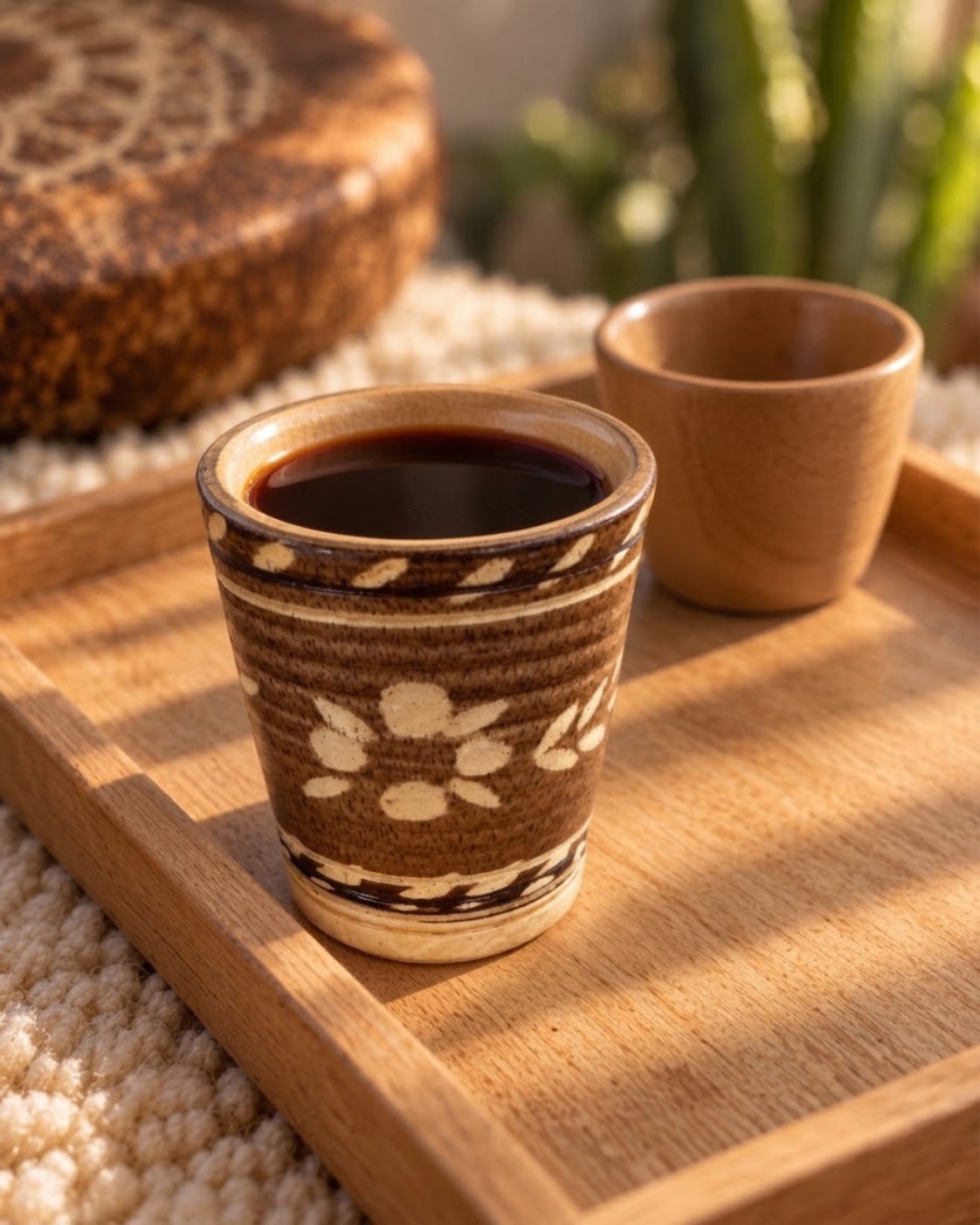
THE MEDICINE
The cup is only one part of a much larger relationship.
What is Ayahuasca?
Ayahuasca is a traditional Amazonian brew most commonly prepared through the combination of the Ayahuasca vine, Banisteriopsis caapi, with other plants traditionally used in its preparation.
Different lineages, regions, and medicine keepers may prepare and work with Ayahuasca differently. There is no single ceremony, tradition, or relationship with the medicine that represents the entirety of Ayahuasca work.
Within the traditions from which it comes, the medicine has been worked with through ceremony, song, plant knowledge, preparation, and teachings carried from one generation to another.
THE EXPERIENCE
No two ceremonies are exactly alike.
Ayahuasca may bring someone into relationship with memories, emotions, physical sensations, fear, grief, love, family, identity, or patterns they have carried for years. There may be visions. There may be very few. Someone may cry, laugh, shake, become quiet, or find themselves meeting something they have spent a long time trying not to feel.
Purging can also be part of the experience. People often think of purging only as vomiting, though within medicine traditions release may be understood more broadly. Sometimes it is physical. Sometimes it is emotional. Sometimes a person simply recognizes that something they have carried for a long time is finally being allowed to move.
The experience does not always give us what we expected. Sometimes it brings us toward what we have spent years avoiding.
Ayahuasca can be beautiful. She can also be confronting.
There are ceremonies filled with tenderness, connection, laughter, memory, or a sense of understanding that feels difficult to put into language afterward. There are also ceremonies that ask someone to sit with discomfort, uncertainty, or parts of themselves they would rather turn away from.
Neither experience is necessarily more meaningful than the other. Sometimes what matters most is what becomes visible.
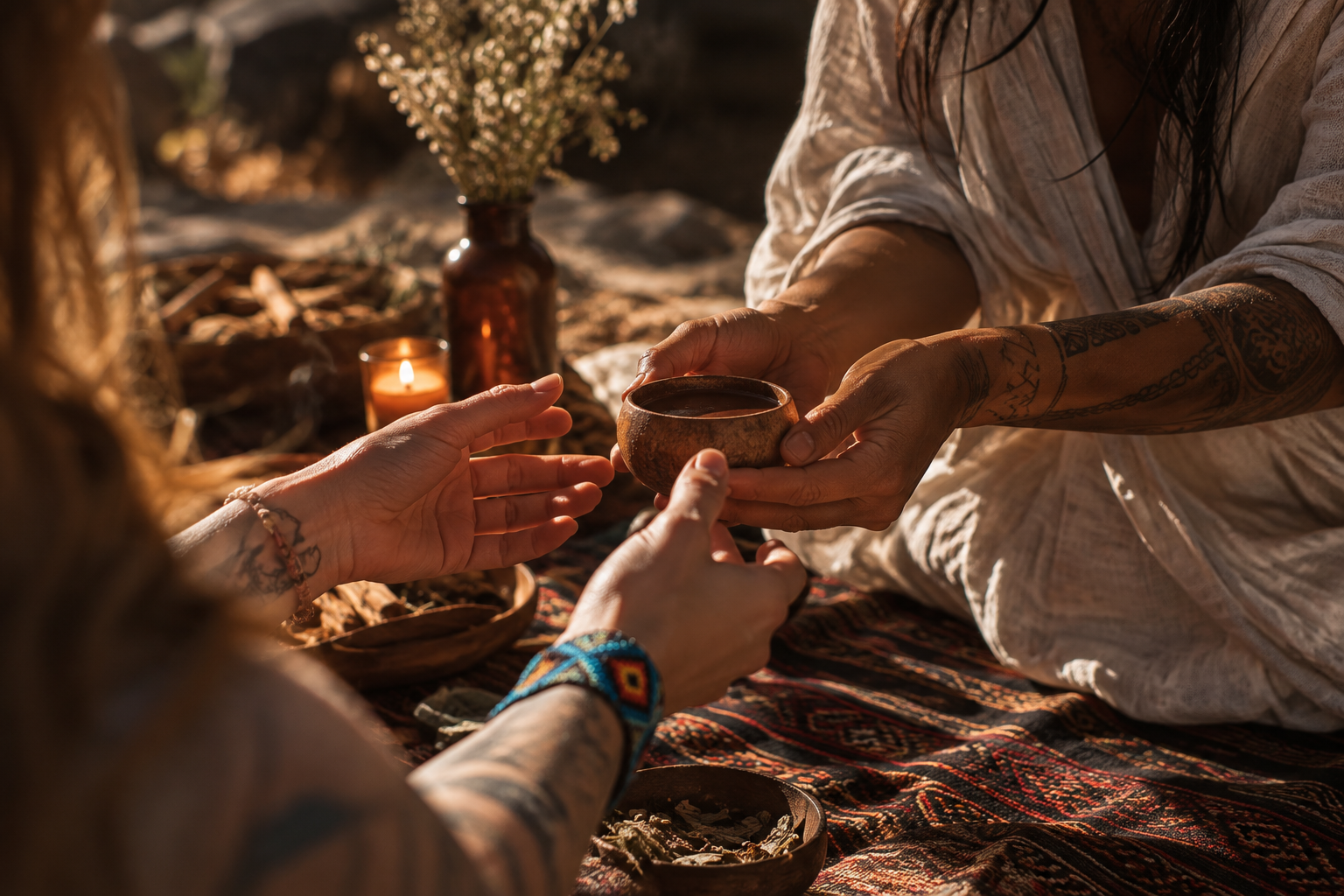
Ayahuasca · Ceremony
Relationship before experience
OUR RELATIONSHIP
How BUFAYA holds Ayahuasca.
We honor what has been taught to us without pretending our role is to reproduce a tradition that is not ours.
Our relationship with Ayahuasca has been deeply shaped by learning within Shipibo tradition. Those teachings have influenced the way we understand the medicine, the ceremonial container, and the responsibility of the person holding it.
BUFAYA practitioners are also taught to develop their own relationship with the medicine. We do not believe every practitioner should look, sound, or serve the same way.
Our ceremonies are active. We sing. We work with instruments. We move through the space. We pay attention to what is happening with each person and allow the medicine to guide when support, clearing, sound, presence, or simply space may be needed.
For me, singing is part of that relationship. I do not enter ceremony knowing every song I will sing. There are moments when a song comes through while I am sitting with a particular participant. The words, sounds, or melody may not have been planned, yet they arrive in relationship with what is happening in that moment.
Other traditions hold this relationship differently. Within Shipibo practice, for example, icaros carry their own lineage, teachings, and relationship with the medicine. We respect those traditions without borrowing their identity or presenting our way as the same thing.
This is also what we teach practitioners at BUFAYA. Learn from your teachers. Understand where the teachings come from. Develop discernment. Continue doing your own work. Allow your way of holding medicine to become something embodied rather than something performed.
WHAT COMES AFTER
The ceremony ends. The relationship does not.
Some experiences make sense immediately. Others unfold slowly once ordinary life returns.
Something seen clearly in ceremony may begin showing up differently in relationships, boundaries, habits, choices, or the way someone understands themselves.
Integration is not about assigning meaning to every moment of ceremony. It is about noticing what remains afterward and becoming honest about what, if anything, the experience is asking us to carry differently.
FEELING CALLED TO AYAHUASCA?
Sometimes the relationship begins before the ceremony.
It may begin with curiosity, questions, or the feeling that something keeps drawing your attention back. If Ayahuasca is the medicine calling you, explore the ways you can sit with her through BUFAYA.
